


The embossed texture of high‑end labels is a key detail that determines packaging grade. The quality of finished products mainly depends on equipment precision and substrate feeding stability. Many printing and packaging plants still face frequent problems in mass production after adopting new embossing equipment, such as one‑sided shallow patterns, uneven embossing depth across the whole sheet, film stretching deformation, and unexplained color difference on finished goods. Many attribute these failures to improper operator debugging. In fact, most general‑purpose embossing machines available on the market have basic pressure output and tension‑control configurations that cannot handle the working conditions for fine embossing of high‑end labels.
The biggest shortcoming of conventional general‑purpose web‑fed embossing machines is rigid pressure output with no flexible adjustment margin. In actual production, substrates including thin paper, PET film and synthetic paper differ greatly in toughness, thickness and stress‑bearing properties, so uniform pressure parameters cannot fit all materials. For soft substrates in particular, slight tension deviations during high‑speed continuous feeding will lead to mass defects including material stretching, edge warping and pattern misalignment, which directly raise material loss. Besides, insufficient rigidity of embossing rollers and parallelism errors caused by equipment assembly are core hardware issues behind unstable embossing effects and low yield rates in mass production across the industry.
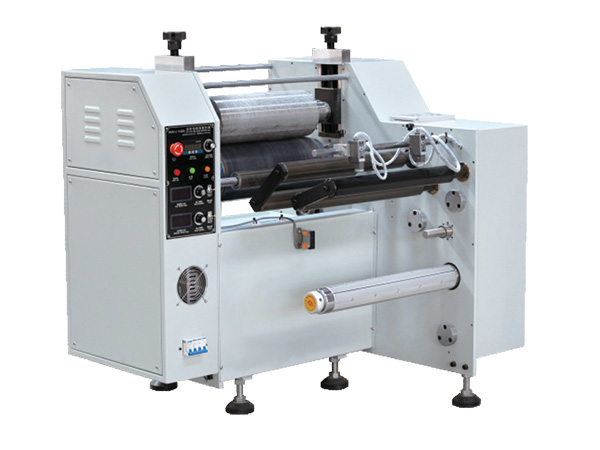
Embossing equipment truly suitable for mass production of high‑end labels features three core strengths: adjustability, wide compatibility and stable material feeding. To solve uneven patterns and material deformation, segmented pressure adjustment is a must. It enables zonal fine‑tuning based on different substrates, material thicknesses and embossing styles, completely avoiding partial shallow embossing or material piercing caused by unified pressure settings. Equipped with a closed‑loop servo tension system, the equipment monitors feeding conditions in real time and dynamically compensates tension fluctuations, fundamentally resolving substrate stretching, edge curling and deformation during high‑speed production. Fitted with high‑rigidity and high‑precision calibrated embossing rollers, it ensures consistent embossing over the full web, enabling stable mass production for both standard materials and custom patterns.
Dongguan Weineng Machinery Technology Co., Ltd. is deeply engaged in web‑fed post‑press equipment. Supported by its physical manufacturing base in Chashan, Dongguan, it has long focused on embossing production scenarios for high‑end labels for daily‑use chemicals, food, wine and other sectors. Targeting widespread industry pain points such as uneven patterns, substrate stretching and unstable mass production, the company keeps optimizing mechanical structures and control systems to meet the refined production requirements of high‑end packaging. It helps manufacturers resolve practical challenges including excessive defective products, unsatisfactory finished‑product texture and unstable production output.
